Shoulder pain is one of the most common conditions we see in physical therapy, often caused by rotator cuff injuries, tendonitis, or calcifications. It can limit your ability to reach, lift, sleep comfortably, or even perform simple daily tasks.
One of the most effective, non-invasive treatments available today is Shockwave Therapy.
What is Shockwave Therapy?
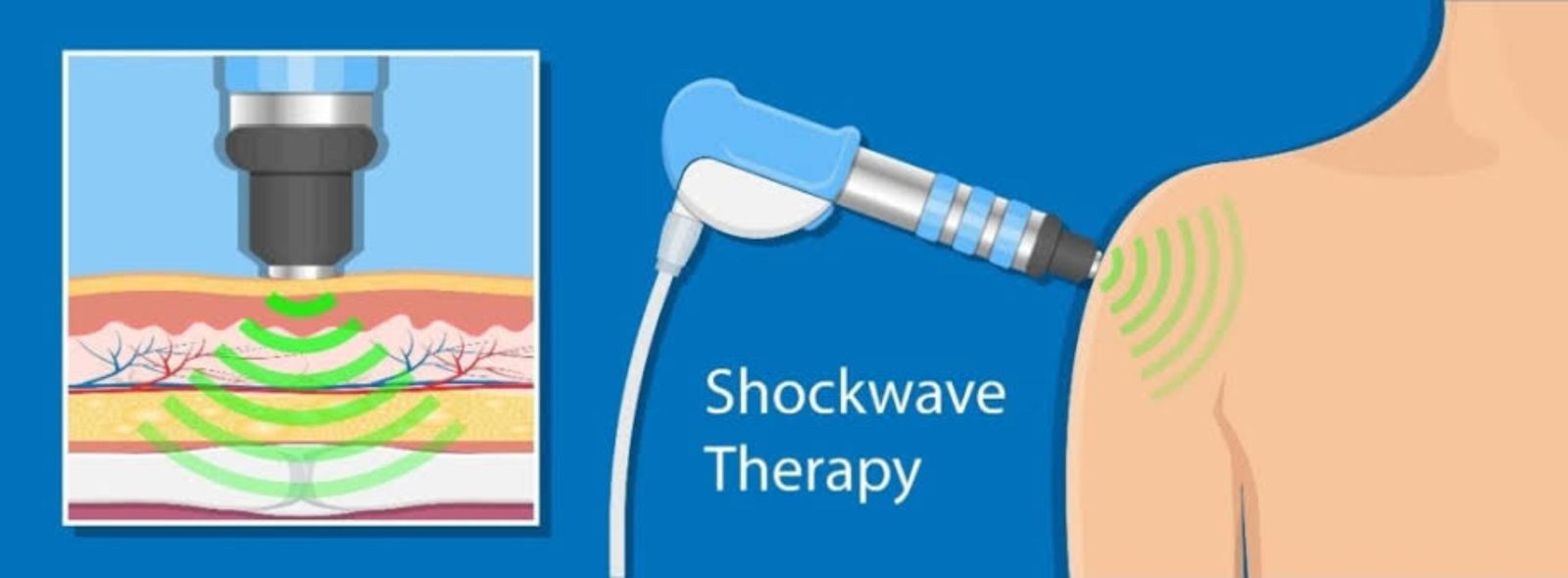
Shockwave therapy uses acoustic sound waves to stimulate healing in injured tissues. These waves penetrate deep into the shoulder, increasing blood flow, breaking down scar tissue or calcifications, and triggering the body’s natural healing response.
What Shoulder Conditions Can It Help?
Shockwave therapy is especially helpful for:
Rotator cuff tendonitis
Calcific tendonitis
Frozen shoulder
Chronic shoulder pain
Impingement syndrome
It is often used when traditional treatments like rest, medication, or basic therapy have not fully resolved the issue.
Benefits of Shockwave Therapy
Non-invasive (no surgery or injections)
Fast treatments (typically 10–15 minutes)
Promotes natural healing
Reduces pain and inflammation
Improves mobility and function
Many patients begin to feel relief after just a few sessions.
What to Expect
During treatment, a handheld device is applied to the shoulder. You may feel a tapping sensation, but most patients tolerate it very well. Treatments are usually performed once a week for several sessions, depending on your condition.
Is It Right for You?
If you’ve been struggling with ongoing shoulder pain and haven’t found relief, shockwave therapy may be the missing piece in your recovery. When combined with a personalized physical therapy program, it can significantly speed up healing and help you return to your normal activities.